
Going diaper free is easier than you think.
Elimination communication coaching for modern parents who want fewer diapers, less mess, and an easier path to potty independence.
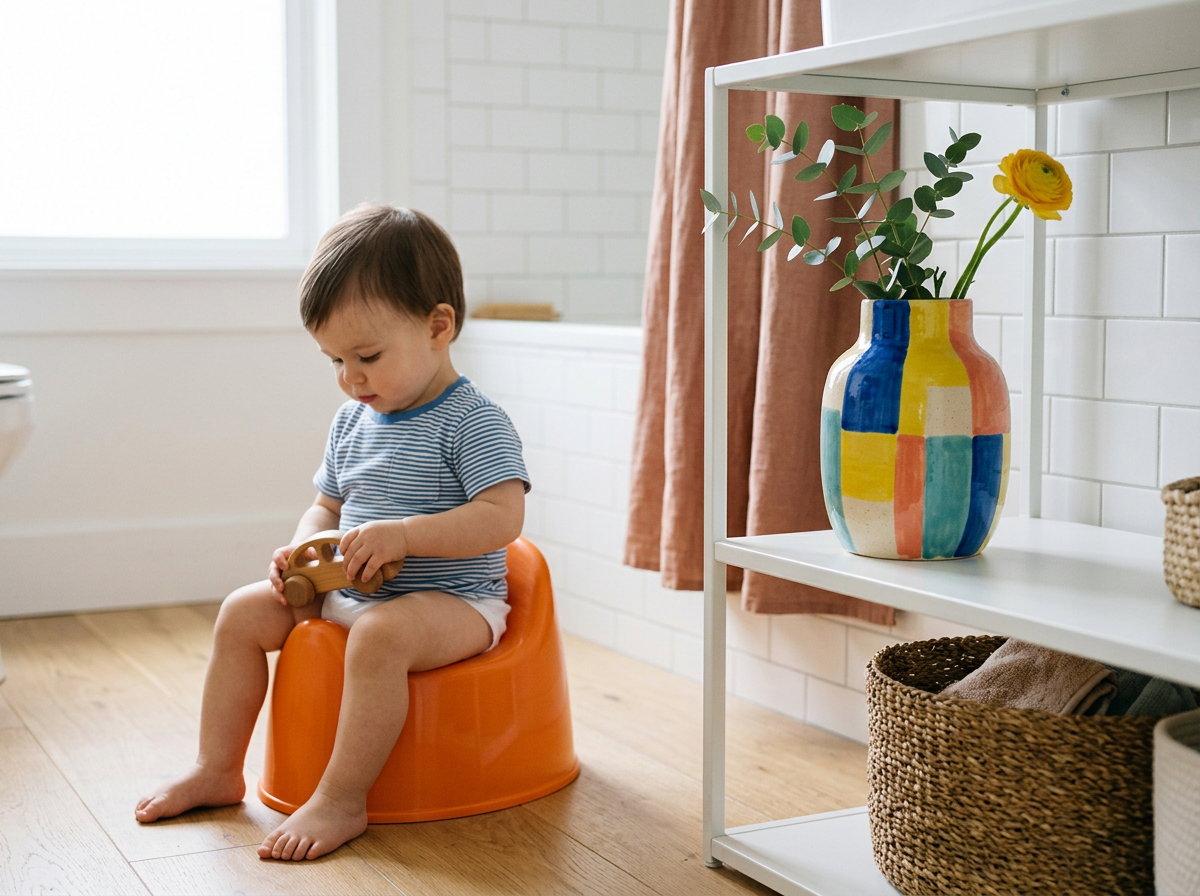
THIS IS NOT POTTY TRAINING.
Elimination Communication (EC) is a gentle way to help your baby recognize the feeling of going to the bathroom and put language to it - years before traditional potty training.
You can start with a baby just a few months old. Some families even start at birth but before walking age is ideal.
My 3 phase systems helps you learn your baby's natural cues and timing and offer the potty along the way. Gradually, your baby learns to recognize the feeling of needing to go and communicates it to you.
Think of it as the opposite of potty training.
You're not teaching a toddler a new skill all at once. You're building familiarity from the beginning, slowly, gently, and without pressure.
And yes, you can still use diapers.
Why EC?
• Less diaper and wipe waste
• Save money
• Deeper communication with baby
• No changing table fights
• No potty training battle later
Old-world wisdom for the modern parent.
EC doesn't have to be all-or-nothing. You can do it at home, on the go, with daycare, and around a busy schedule.
What's inside?
A practical, step-by-step detailed (23 page) guide covering how to start, what to look for, when to offer the potty, how to find your baby's timing, and what to do when things don't go as planned.
Plus a one-page Quick Reference Guide for easy answers when you need them.
SKIP POTTY TRAINING
~
Save on Diapers
~
For busy schedules
~
SKIP POTTY TRAINING ~ Save on Diapers ~ For busy schedules ~
A gentler & earlier path out of diapers, rooted in family tradition.
Most parents assume diapers are just part of the deal - buy them in bulk, survive the blowouts, then brace for potty training wars at age 2 or 3. But there is another way that no one has told you about. Before disposable diapers became the default, many families helped babies recognize and respond to their natural elimination cues from infancy. It worked then and it still works now. EC isn’t about a perfect, diaper-free baby or having endless time. It’s about teaching communication the way you already do for countless other things. Many EC families avoid the traditional potty training battle because the habit is introduced gradually from the beginning.THIS IS NOT POTTY TRAINING.
Elimination Communication (EC) is a gentle way to help your baby recognize the feeling of going to the bathroom and put language to it - years before traditional potty training.
You can start with a baby just a few months old. Some families even start at birth but before walking age is ideal.
My 3 phase systems helps you learn your baby's natural cues and timing and offer the potty along the way. Gradually, your baby learns to recognize the feeling of needing to go and communicates it to you.
Think of it as the opposite of potty training.
You're not teaching a toddler a new skill all at once. You're building familiarity from the beginning, slowly, gently, and without pressure.
And yes, you can still use diapers.
Why EC?
• Less diaper and wipe waste
• Save money
• Deeper communication with baby
• No changing table fights
• No potty training battle later
Old-world wisdom for the modern parent.
EC doesn't have to be all-or-nothing. You can do it at home, on the go, with daycare, and around a busy schedule.
What's inside?
A practical, step-by-step detailed (23 page) guide covering how to start, what to look for, when to offer the potty, how to find your baby's timing, and what to do when things don't go as planned.
Plus a one-page Quick Reference Guide for easy answers when you need them.
A Guide for Everything you need to start EC, without the guesswork
Elimination Communication (EC) is a gentle way to help your baby recognize the feeling of going to the bathroom, years before traditional potty training, and yes, you can still use diapers along the way. This isn't a theory guide. It's the exact 23-page plan I walk my private clients through, broken into a real first-week schedule, a system for finding your baby's timing, and a troubleshooting section for the moments that actually trip people up: daycare, a baby who suddenly stops cooperating, a potty that starts getting cried at.
You'll close this guide knowing what to watch for, what to say, and what to do next, no matter where your baby is starting from.
What's included:
The full step-by-step guide (start here)
The one-page quick reference guide as a bonus, so you've always got a fast answer on hand
THIS IS NOT POTTY TRAINING.
Elimination Communication (EC) is a gentle way to help your baby recognize the feeling of going to the bathroom and put language to it - years before traditional potty training.
You can start with a baby just a few months old. Some families even start at birth but before walking age is ideal.
My 3 phase systems helps you learn your baby's natural cues and timing and offer the potty along the way. Gradually, your baby learns to recognize the feeling of needing to go and communicates it to you.
Think of it as the opposite of potty training.
You're not teaching a toddler a new skill all at once. You're building familiarity from the beginning, slowly, gently, and without pressure.
And yes, you can still use diapers.
Why EC?
• Less diaper and wipe waste
• Save money
• Deeper communication with baby
• No changing table fights
• No potty training battle later
Old-world wisdom for the modern parent.
EC doesn't have to be all-or-nothing. You can do it at home, on the go, with daycare, and around a busy schedule.
What's inside?
A practical, step-by-step detailed (23 page) guide covering how to start, what to look for, when to offer the potty, how to find your baby's timing, and what to do when things don't go as planned.
Plus a one-page Quick Reference Guide for easy answers when you need them.
What is
Elimination
Communication?
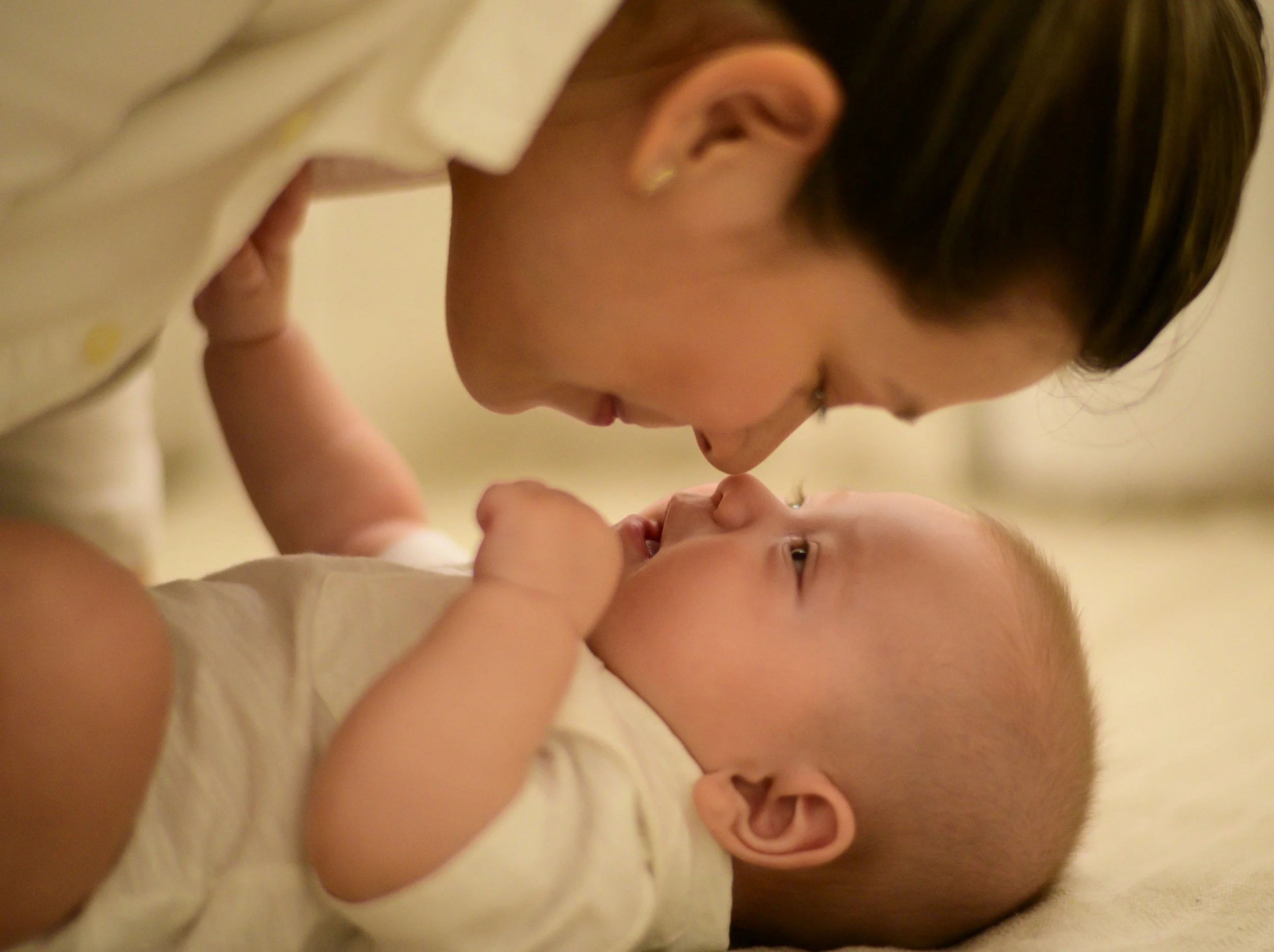
Elimination Communication is the practice of responding to your baby's natural signals
around elimination and teaching them to communicate, rather than waiting for them to go in a diaper and cleaning it up after. Babies are born with instincts around this. Similarly to how you might teach sign language or follow other signals to know what your baby wants, EC helps you implement this for going to the bathroom. This is old-world potty wisdom for modern parents.EC is:
Tuning into your baby’s cues from as early as a few weeks oldOffering the potty at natural windowsFlexible - part-time, full-time or anywhere in betweenProven across cultures for thousands of yearsA path to skipping potty training because you never have to unlearn
EC is NOT:
Potty training a newbornBeing diaper-fee 24/7 or pressuring before biologically readyA rigid scheduleOnly for people with their kids all dayAlways having access to a toilet unless you want to
About ME
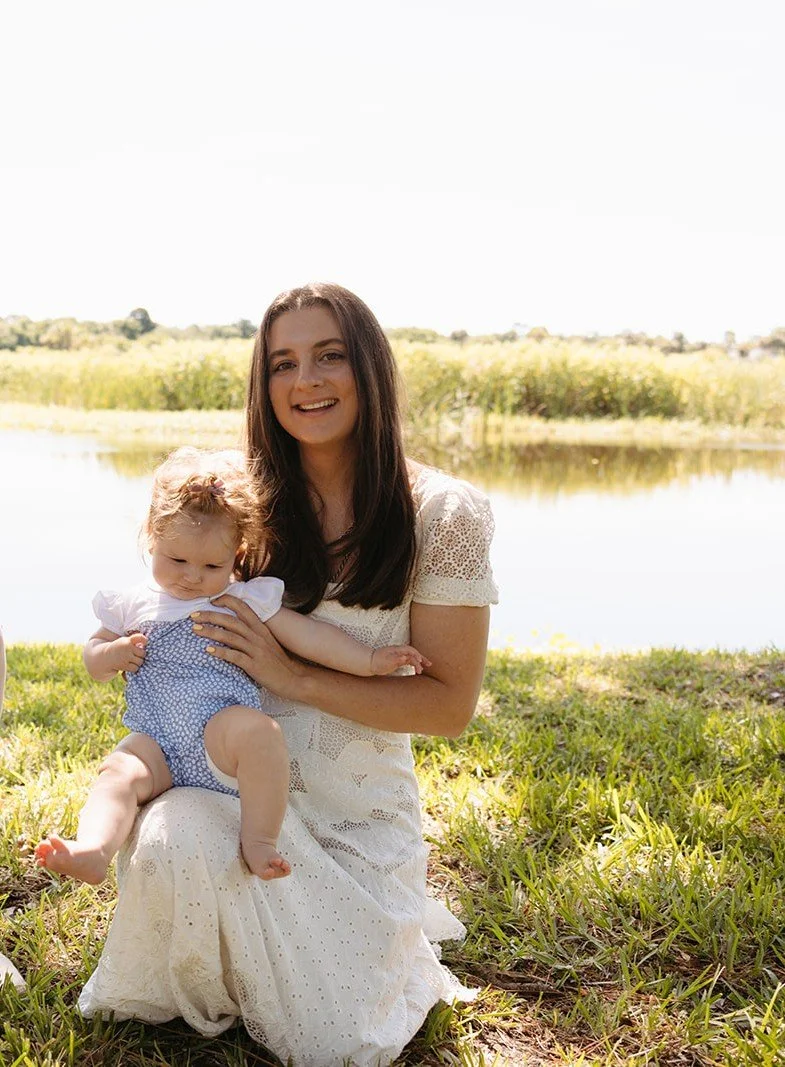
I didn’t learn a parenting trend, I grew up with it
My mother did this with me because diapers weren’t the default in the former Soviet Union. Then, I did the same with my own children. I realized this thing my family always knew could help modern parents avoid the potty training chaos everyone assumes is inevitable.
I have two kids, a 3-year-old who I taught EC at 4 months, and an 8-month-old who I taught at 6 months. I was able to use flexible EC even while working a demanding job.
My children never went through potty training and that’s what I want for your family.
Work with me
Every baby and every family is different. My approach is rooted in the family method I used to skip potty training, and built for real life. I meet with you to discuss your environment, observe your baby’s cues firsthand, and show you exactly how to offer the potty in a way that fits your schedule — whether you’re home full-time, working with a nanny, or somewhere in between.You leave with a personalized plan, the right equipment set up in your home (in-person sessions only), and a clear picture of what to look for and when. Two weeks later, we check in to adjust based on what you’ve observed.This isn’t a theory session. It’s hands-on, practical, and specific to your baby.
In- Person Session - Los Angeles
Best for families in LA who want hands-on, in-home support.Pre-session survey and intake call so I arrive preparedIn-home session: walkthrough, live potty attempt, setup of your EC areas, personalized support, Q&AWelcome package included: starter potty + sanitary wipesPersonalized written EC plan delivered after your session2-week check-in call to update plan and answer any questions
Virtual Session - Available Anywhere
For families outside of LA, or those who prefer to start remotely with online elimination communication coaching.Pre-session survey so I arrive prepared45-minute video session: walkthrough, personalized support and planning, Q&APersonalized written EC plan delivered after your session2-week check-in call to update plan and answer any questions
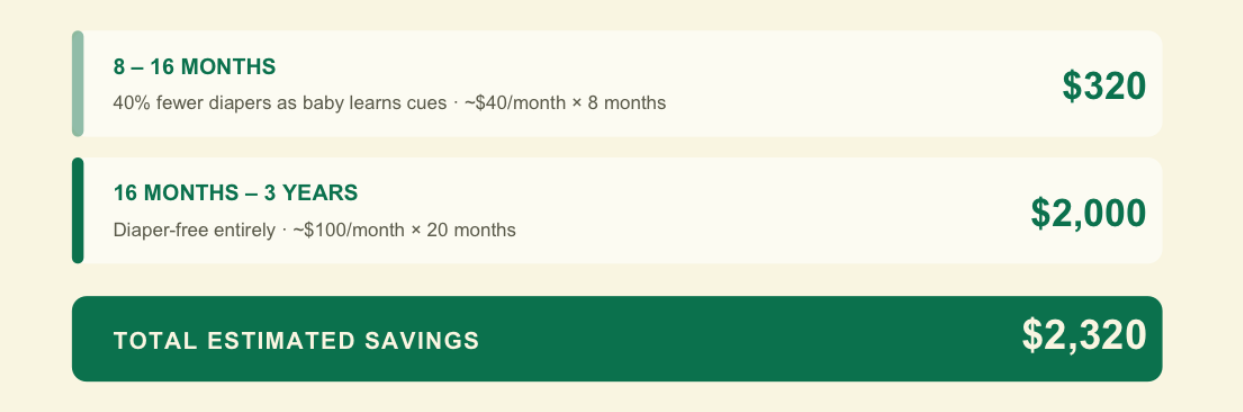
The math that makes this a no-brainer.
EC doesn’t just help your baby, it helps your wallet. Here’s what the average family saves:
It helps
reduce diaper
waste too!
Your Questions, Answered
-
You can start as early as you like but if you do not feel ready until 5-9 months, this is an ideal time to start, when babies are naturally most communicative about elimination. That said, before walking is great too.
-
Absolutely not. EC works part-time - even one or two catches a day builds the foundation.
Many families keep backup diapers throughout the process. The goal is a reduction in dependence, not cold turkey.
-
This was my exact situation. EC can absolutely work around a caregivers schedule. A big part of what we do in our session is build a plan that works for whoever is with your baby most and identifying the times you can have the biggest impact.
-
Potty training typically begins around age 2-3, when babies have been fully diaper-dependent for years and have to unlearn that habit. This is also why you hear the older, the better because you have to explain a whole new process. EC starts from birth (or whenever you are ready) working with the instincts babies already have rather than overriding years of conditioning. The result is a much smoother, often drama-free transition. One day you will just notice you’re changing dry diapers!
-
EC is a practice, not a pass/fail test. There will be misses and that’s part of it. What I help you build is a sustainable approach that creates progress over time, not perfection on day one. My follow-up plan and check-in call are specifically designed to keep you on track when things feel inconsistent so we can trouble shoot.
-
Less than you think. The potty offering itself takes minutes. What you’re building is the awareness of when to offer and that becomes second nature fast. Most parents report it feels like a natural extension of their diaper routine within a few weeks.
-
There are far fewer blowouts, less diaper rash, and significantly less to clean up overall. Especially when your baby becomes a toddler who can use a regular toilet. Help future you by starting early.